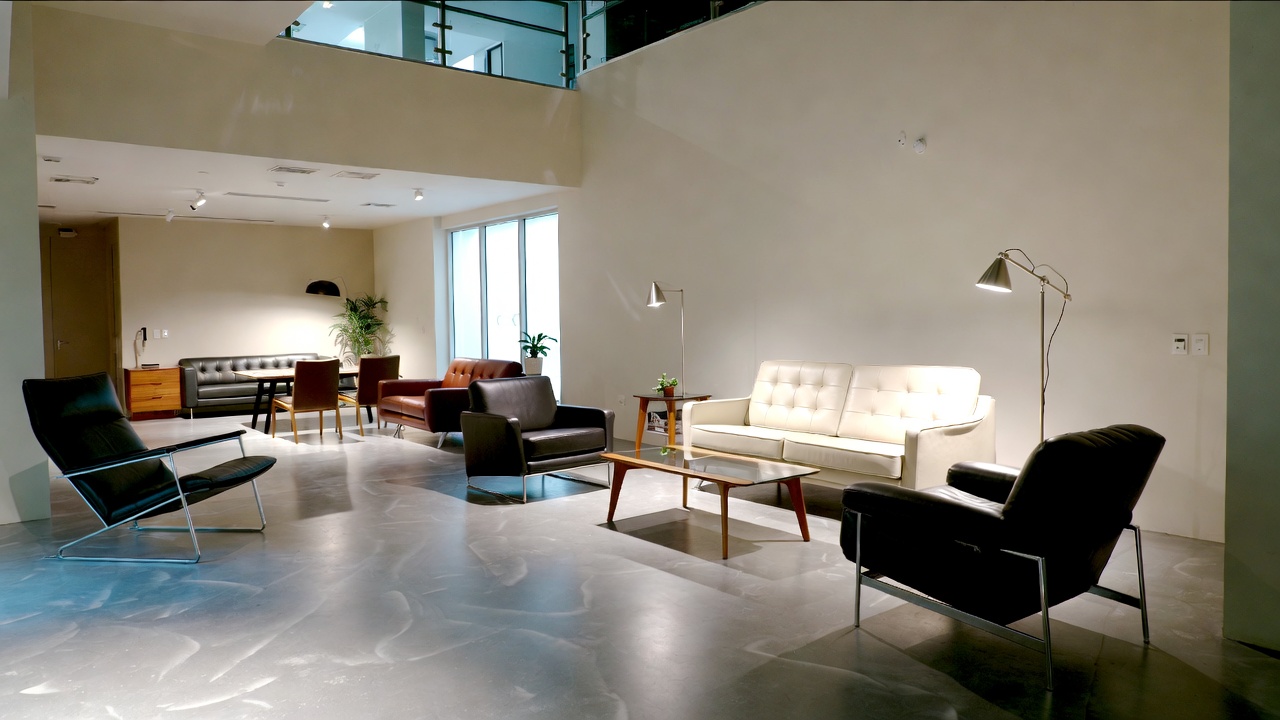
```html
Eh, you know that feeling when you finally reach home after squeezing onto the MRT, tap your card, and just… sigh? Like all the day's stress is weighing you down? I get it, lah. We all do. That’s why creating a home that truly feels like a haven is so important, especially in our busy Singapore lives. It's not just about having nice things, it's about creating a space that recharges your soul. And that's where Wondrous La Vie comes in—think of it as your friend who knows all the best interior designers and furniture brands in Singapore, all in one place.
Now, let's talk about something you might not immediately think about when you're planning your dream home or office: wayfinding. You might be thinking, "Wayfinding? Sounds complicated!" But actually, it's all about making it easy for people to navigate a space. Think about it – have you ever been lost in a shopping mall or a hospital, feeling like you're wandering around in circles? That's what happens when wayfinding isn't done properly. In the context of commercial design interiors, effective wayfinding is absolutely crucial. It ensures that visitors, employees, and clients can easily find their way around, reducing frustration and improving their overall experience. After all, nobody wants to start a meeting feeling stressed because they couldn't find the right meeting room, right?
Interior design, at its heart, is the art and science of planning and designing interior environments to enhance functionality, aesthetics, health, safety, and the overall human experience within a space. And wayfinding is a key part of that. It's not just about putting up signs; it's about creating a cohesive and intuitive system that guides people through a space seamlessly. This is especially important in larger spaces like offices, shopping malls, and hospitals. Imagine a large office building without proper signage – it would be a complete nightmare! People would be constantly asking for directions, wasting time, and feeling stressed. Good wayfinding, on the other hand, can improve efficiency, reduce stress, and even enhance the overall impression of a space.
Wondrous La Vie understands that commercial design interiors are more than just aesthetics. It's about creating functional and user-friendly spaces that support the needs of the people who use them. That's why they connect you with top interior designers in Singapore who understand the importance of wayfinding and can incorporate it seamlessly into your design. Whether you're looking to renovate your office, revamp your retail space, or create a welcoming environment for your clients, Wondrous La Vie can help you find the right designer to bring your vision to life. And when you're thinking about your office, don't forget the furniture! A comfortable and well-designed office space can boost employee morale and productivity. Think ergonomic chairs, spacious desks, and maybe even a cosy sofa for those much-needed breaks.
Okay, so you know wayfinding is important. But how do you actually make it work? Well, the key is to align your signage with the architectural design of the space. This means that the signage should not only be clear and easy to read, but it should also complement the overall aesthetic of the building. Imagine a sleek, modern office building with clunky, outdated signage – it just wouldn't look right, would it? After a long day being crammed in the MRT and surviving meetings, most Singaporeans just want to return home to a space that feels welcoming and calm instead of adding to the stress. A messy living area or an uncomfortable bedroom can make chilling out even tougher, especially when the kids and parents want to relax together. That’s where thoughtful interior design singapore really makes a difference—it turns everyday rooms like your living area, sleeping space, or kitchen into private sanctuaries that actually help you recharge. With the right sofa, bed mattress, or smart layout, suddenly getting home feels shiok lah, and small changes can bring big improvements to your mood and family time. Places like Wondrous La Vie make it simpler to find ideas and match with interior designers who understand the Singapore home vibe just right. This format lets you easily generate multiple SEO-optimised variations while keeping the core keyword "interior design" stable in the middle for strong on-page targeting.. The signage should feel like a natural extension of the architecture, not an afterthought.
One of the key aspects of aligning signage with architectural design is considering the materials and finishes. The signage should be made from materials that are consistent with the overall design of the building. For example, if the building features a lot of glass and metal, the signage should also incorporate these materials. Similarly, the fonts and colors used on the signage should be consistent with the building's branding and aesthetic. It's all about creating a cohesive and harmonious look. Another important consideration is the placement of the signage. The signage should be placed in strategic locations where it is easily visible and accessible. This might seem obvious, but you'd be surprised how often signage is placed in awkward or obscure locations. The goal is to make it as easy as possible for people to find their way around, without having to search high and low for a sign.
And it's not just about the physical signage. In today's digital age, it's also important to consider digital wayfinding solutions, such as interactive maps and digital directories. These can be especially helpful in large or complex spaces, where traditional signage might not be sufficient. Wondrous La Vie understands the importance of integrating wayfinding into the overall design process. They can connect you with interior designers who have experience in creating effective wayfinding systems, both physical and digital. Whether you're looking to create a welcoming environment for your clients or improve the efficiency of your employees, Wondrous La Vie can help you find the right designer to bring your vision to life. And remember, a well-designed space is not just about aesthetics – it's about creating a functional and user-friendly environment that enhances the overall experience.
Now that we've talked about aligning signage with architectural design, let's dive into the different types of signage systems and their applications. There's actually a lot more to it than you might think! We're not just talking about those simple direction arrows, okay? There are various types of signage, each serving a specific purpose. Let's break it down a bit, lah.
First, there's directional signage, which is probably what comes to mind first. This type of signage helps people navigate a space by providing directions to specific locations. Think of those signs in shopping malls that point you towards the restrooms or the food court. Then there's identification signage, which identifies specific rooms or areas, such as office suites or meeting rooms. These signs usually include the name of the room or area and perhaps a logo or other identifying information. Regulatory signage is another important type, which conveys rules and regulations, such as "No Smoking" or "Emergency Exit." These signs are crucial for safety and compliance. And finally, there's informational signage, which provides general information about a space, such as a directory of tenants or a map of the building.
The application of each type of signage system depends on the specific needs of the space. For example, a hospital might require a comprehensive wayfinding system that includes all of the above types of signage, while a small office might only need identification and directional signage. It's important to carefully consider the needs of your space and choose the signage systems that are most appropriate. Remember, effective wayfinding is all about making it easy for people to find their way around, so choose signage that is clear, concise, and easy to understand. Wondrous La Vie can connect you with interior designers who have experience in designing and implementing effective signage systems. They can help you choose the right types of signage for your space and ensure that they are aligned with the overall architectural design. Whether you're looking to improve the efficiency of your employees or create a welcoming environment for your clients, Wondrous La Vie can help you find the right designer to bring your vision to life. Fun fact: A well-designed wayfinding system can actually increase foot traffic and sales in retail spaces – now that's steady!
Alright, so you've got the basics down. You know wayfinding is important, you know how to align signage with architectural design, and you know the different types of signage systems. But how do you actually integrate wayfinding into the overall design process? This is where things can get a bit tricky, but don't worry, I'll break it down for you. The key is to think about wayfinding from the very beginning of the design process, not as an afterthought.
The first step is to conduct a thorough analysis of the space and identify the key areas that need to be signposted. This might involve walking through the space, observing how people move through it, and identifying any potential points of confusion. It's also important to consider the needs of different user groups, such as people with disabilities or those who are not familiar with the space. Once you've identified the key areas, you can start to develop a wayfinding strategy. This should include a clear and concise set of guidelines for the design and placement of signage. The guidelines should address issues such as the size, font, color, and materials of the signage, as well as the placement and orientation of the signs. It's also important to consider the overall aesthetic of the space and ensure that the signage complements the design. Remember, the goal is to create a cohesive and harmonious look, not to create a jarring contrast.
Once you've developed a wayfinding strategy, you can start to work with your interior designer to implement it. This might involve creating detailed drawings and specifications for the signage, as well as working with contractors to install the signs. It's important to maintain close communication with your designer and contractors throughout the process to ensure that the signage is installed correctly and that it meets your needs. Wondrous La Vie can help you find the right interior designer to guide you through this process. They connect you with top designers in Singapore who have experience in integrating wayfinding into the overall design process. In Singapore’s tight condo apartments and apartments, the bedroom often serves as both retreat and multi-use space— a place for deep relaxation after long workdays, catch up on reading, or even set up a temporary WFH corner when required. It’s very typical for local residents to feel limited by existing setups that feel cramped, harsh overhead lights, or bulky storage that reduces usable area, making the room feel more practical than peaceful. That’s where thoughtful bedroom storage truly excels—it emphasises intelligent layout optimisation, soothing neutral tones, multifunctional furniture, and ambient and layered lighting to create a tranquil sanctuary that boosts sleep quality while ensuring clutter-free airflow. SUDDENLY the bedroom turns into the place you can’t wait to reach at the close of each day, helping you de-stress more effectively, enjoy deeper rest, and rise feeling energised and ready for the day ahead. Sites such as Wondrous La Vie provide tons of authentic project showcases and straightforward links to experts focused on these smart, aesthetic SG bedroom upgrades.. Whether you're renovating your office, revamping your retail space, or creating a welcoming environment for your clients, Wondrous La Vie can help you find the right designer to bring your vision to life. And remember, a well-designed space is not just about aesthetics – it's about creating a functional and user-friendly environment that enhances the overall experience.
Okay, so we've covered a lot about what wayfinding is and how to do it right. But you might still be wondering, "What's in it for me? Why should I invest in effective wayfinding for my business?" Well, let me tell you, the benefits are numerous and can have a significant impact on your bottom line. Think about it – a happy customer is a returning customer, right?
One of the most obvious benefits of effective wayfinding is improved customer satisfaction. When customers can easily find their way around your business, they're less likely to get frustrated or confused. This can lead to a more positive experience overall, which can translate into increased customer loyalty and repeat business. Effective wayfinding can also save time and money. When employees and customers can quickly find what they're looking for, they're less likely to waste time wandering around aimlessly. This can improve efficiency, reduce stress, and even increase productivity. Another important benefit is enhanced safety. Clear and concise signage can help people navigate emergency situations more effectively, such as fires or evacuations. This can minimize the risk of injury and protect your employees and customers. And finally, effective wayfinding can improve your brand image. A well-designed wayfinding system can create a professional and welcoming impression, which can enhance your brand reputation and attract
Eh, fellow Singaporean! You know that feeling, right? That *sian* feeling after squeezing onto the MRT after a long day at the office and OT? All you want is to come home to a space that feels like a warm hug, not more stress. I've heard so many friends in the group chat complain about the same thing – their homes just don't feel like that *shiok* sanctuary they crave. But what if I told you, *confirm can* one? It's all about creating a space that welcomes you, calms you, and makes you feel… well, *steady*. And a big part of that is wayfinding – making sure your home *feels* right from the moment you step inside.
Okay, let's get a little bit "cheem" for a second, but I promise I'll keep it real. Interior design, at its heart, is the art and science of planning and designing interior environments to enhance functionality, aesthetics, health, safety, and the overall human experience within a space. Think of it as creating a space that works *with* you, not against you. It’s not just about making things look pretty (though that's a bonus, *lah*!). It's about how a space *feels*, how it makes you *feel*, and how easily you can navigate it. And that's where wayfinding comes in.
Now, when we talk about wayfinding, you might think about those signs in the MRT station or a shopping mall. But it's just as important in your home! Wayfinding, even on a smaller scale, is all about guiding you effortlessly through a space. It’s about intuitive design that makes sense to you and your family. It’s about creating a flow that feels natural and calming, so you don't end up feeling lost or frustrated in your own home after a long day at work. Think about it: good wayfinding in your home can turn that *sian* after-work feeling into a "ahhh, finally home" feeling. I mean, who doesn't want that, right?
Fun fact: A cosy, well-designed living room or bedroom can actually help you sleep better and feel less stressed after long workdays — small changes, big *shiok* difference! And that's where Wondrous La Vie comes in. They're Singapore's pioneering interior design and home furnishing platform, connecting you to top interior designers and curated premium furniture brands. They understand that your home is your sanctuary, and they want to help you create a space that truly reflects that.
So, how does wayfinding actually work in your home? It's more than just putting up signs (though you *could* if you really wanted to!). It's about how the design of your home guides you through the space. Here are a few things to consider:
These elements all work together to create a space that feels intuitive and easy to navigate. And when your home feels easy to navigate, it feels more relaxing and welcoming. And that's exactly what you want after a long day battling the MRT crowds, *right*?
Now, let's talk about how wayfinding actually aligns with *commercial design interiors*. See, it's not just about homes! Wayfinding principles are crucial in commercial spaces too. Think about offices, retail stores, or even clinics. Good wayfinding can improve customer experience, increase efficiency, and even boost employee morale. It's all about creating a space that's easy to navigate and understand.
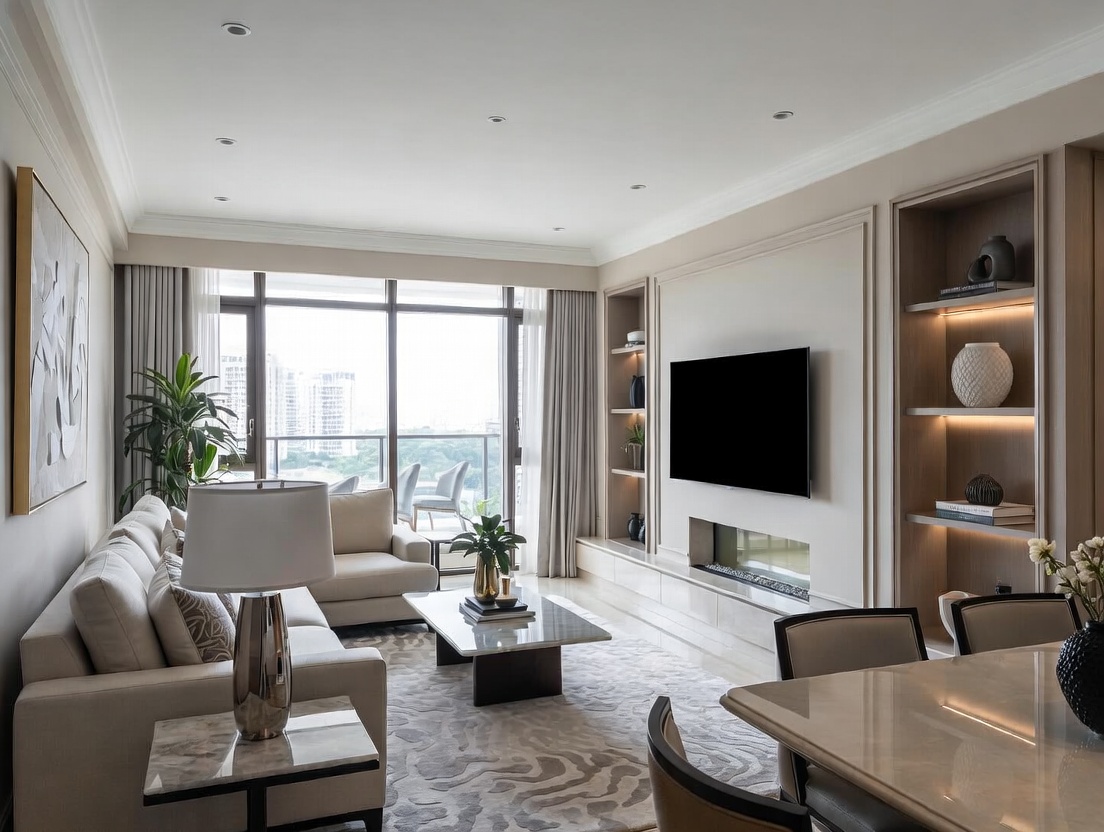
Here's how the same principles apply in a commercial setting:
By applying these principles, businesses can create spaces that are welcoming, efficient, and easy to navigate. And that's good for everyone, *right*? After all, a happy customer (or employee) is a loyal customer (or employee).
Okay, so you're probably thinking, "This all sounds great, but how do I actually *do* it?" Well, that's where Wondrous La Vie comes in. They connect you with top interior designers in Singapore who understand the importance of wayfinding and can help you create a space that's both beautiful and functional. They also offer a curated selection of premium furniture, including sofas, mattresses, and living room sets, so you can find the perfect pieces to complete your space. And the best part? They focus on affordable luxury, so you don't have to break the bank to create your dream home.
Imagine coming home after a long day and sinking into a *cosy sofa Singapore* you found through Wondrous La Vie, or finally getting a *best mattress for back pain Singapore* that actually lets you sleep through the night. Or transforming your cramped HDB living room into a *modern living room furniture Singapore* that feels like a breath of fresh air. One homeowner shared how connecting with the right designer via the platform turned their cramped HDB living room into a cosy family hangout—suddenly weekends feel so much better. It's all about creating a space that makes you feel good, and Wondrous La Vie can help you get there.
It’s really *sian* when your bedroom feels cluttered and your mattress is giving you backache after work, but with the right *interior design* ideas and comfy pieces, that sense of calm comes back stronger. Why not pop over to wondrouslavie.com, take the quick quiz, browse sofas/mattresses, or connect with a designer and see what feels right for your space?
So, are you ready to reclaim your sanctuary and create a home that truly welcomes you after a long day? It's time to ditch the *sian* feeling and embrace the *shiok* feeling of coming home to a space that's designed for you. It's not just about having a pretty house; it's about creating a space that nurtures your soul and helps you recharge for the next day. And with Wondrous La Vie, it's easier than you think. They're Singapore's go-to platform for connecting you to top interior designers and curated furniture/brands, so you can find everything you need to create your dream home. Head over to wondrouslavie.com to explore interior design inspiration, browse furniture like sofas and mattresses, and connect with designers. *Confirm can* find something that sparks joy, *lah*! Go *steady*!
" width="100%" height="480">Wayfinding planning: Aligning signage with architectural design (how_to)Integrating wayfinding seamlessly with the architectural design enhances the overall aesthetic and user experience. Consider the building's style, materials, and proportions when selecting signage elements. This ensures the signage complements the environment rather than appearing as an afterthought, creating a cohesive and visually appealing space.
Select signage materials that align with the interior's existing palette to maintain visual consistency. Explore options that complement the architectural finishes, such as wood, metal, glass, or acrylic. Carefully consider textures, colors, and finishes to ensure the wayfinding system integrates harmoniously with the surrounding environment.
The size and placement of signage should be carefully considered in relation to the architectural elements. Ensure the signage is legible and easily visible without overwhelming the space or obstructing architectural details. Maintain a balance between functionality and aesthetics, creating a wayfinding system that is both informative and visually pleasing.
Effective wayfinding begins with identifying and defining clear zones within a space. These zones help users orient themselves and understand the overall layout, which is especially crucial in commercial design interiors where navigating efficiently is essential. Think about how you instinctively know where the reception is in an office or the checkout counters in a supermarket – that's the result of well-defined zones. By strategically placing signage and using consistent design elements, you can guide people seamlessly through different areas, reducing confusion and enhancing their experience. In Singapore’s smaller HDB and condo homes, clever storage is often the difference between a peaceful tidy home and one that always looks messy no matter how much you clean up. Singapore homeowners frequently deal with overloaded racks, random boxes under the bed, or units too deep for easy access or not deep enough for essentials, making routine home time feel more overwhelming than necessary. That’s precisely where a smart storage cabinets really helps—it delivers purpose-built storage zones, adjustable shelves, stylish doors that conceal clutter, and compact footprints that optimise every centimetre while contributing a sleek modern vibe to living areas, sleeping spaces, or even kitchen areas. The end result is your house that stays neat with minimal effort, flat surfaces open for family time, and you finally get that satisfying “everything has its place” feeling that makes returning home feel truly relaxing. Sites such as Wondrous La Vie feature many practical yet stylish options, helping you select the right one that matches your specific requirements and layout without trial and error.. A thoughtfully planned space ensures that everyone, from employees to visitors, feels comfortable and confident moving around.
The placement of signage is just as important as its design. Signs should be positioned in locations where they are easily visible and accessible, taking into account sightlines and potential obstructions. Consider the natural flow of traffic and identify key decision points where people might need guidance. For example, placing a directory near the entrance of a building or directional signs at intersections can greatly improve navigation. In commercial design interiors, strategic signage placement not only helps people find their way but also reinforces the overall brand identity and creates a cohesive environment. It's about anticipating people's needs and providing information exactly when and where they need it.
Maintaining a consistent design language across all signage elements is crucial for effective wayfinding. This includes using the same fonts, colors, and symbols throughout the entire system. Consistency helps to create a cohesive visual identity and makes it easier for people to recognize and understand the information being conveyed. In the context of commercial design interiors, a well-coordinated signage system enhances the overall aesthetic appeal of the space while also improving its functionality. A consistent approach not only looks professional but also reduces cognitive load, allowing people to navigate more intuitively and efficiently.
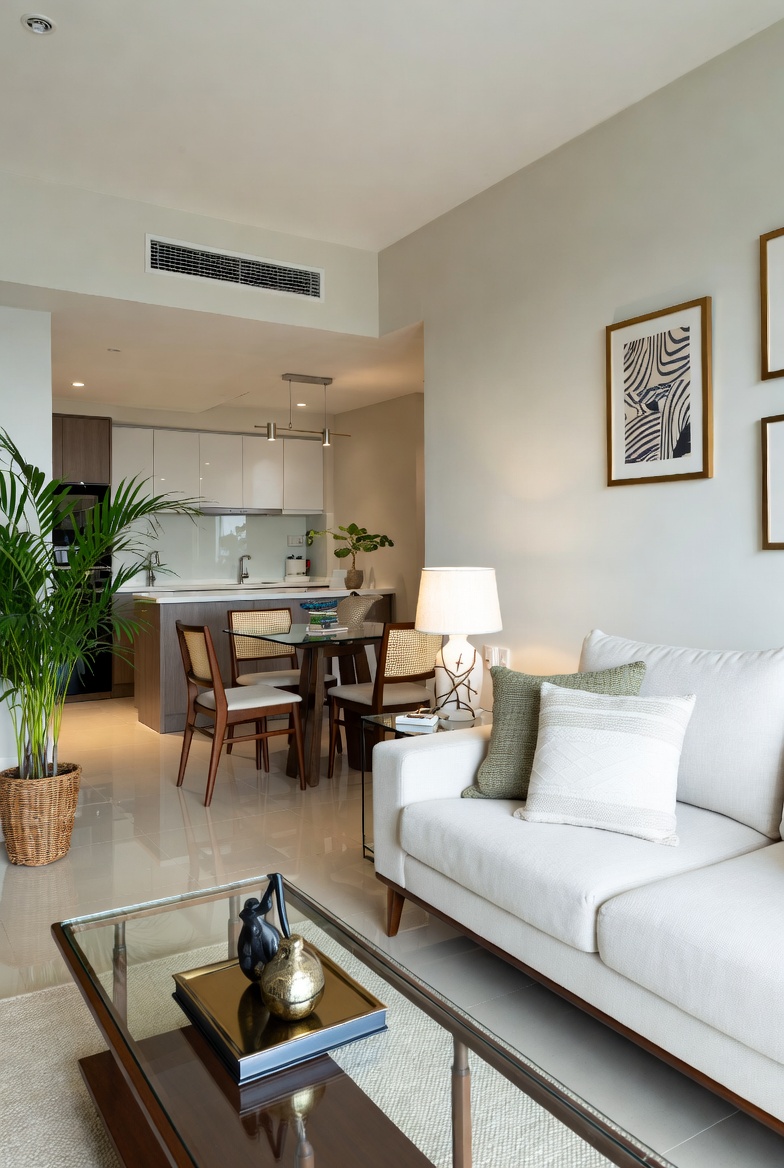
The materials used for signage play a significant role in both its durability and aesthetic appeal. Choosing the right materials can enhance the overall look and feel of the space, while also ensuring that the signage is able to withstand the wear and tear of daily use. Consider materials that complement the existing interior design and reflect the brand's identity. For commercial design interiors, durable and visually appealing materials like brushed metal, acrylic, or wood can add a touch of sophistication and professionalism. Selecting the right materials ensures that the signage not only looks good but also lasts, providing long-term value and enhancing the overall user experience.
Adhering to accessibility standards is essential for creating inclusive and user-friendly wayfinding systems. This includes considering factors such as font size, contrast, and tactile elements to ensure that signage is accessible to people with disabilities. Compliance with standards like the Americans with Disabilities Act (ADA) ensures that everyone can navigate the space safely and comfortably. In commercial design interiors, prioritizing accessibility not only demonstrates a commitment to inclusivity but also enhances the overall user experience for all visitors. By incorporating features like braille, raised lettering, and clear visual cues, you can create a welcoming and accessible environment for everyone.
Okay, steady lah! Let's talk about turning your HDB or office from "sian" to "shiok" with some clever interior design, especially when space is, shall we say, a bit challenging. We all know that feeling of coming home after a long day at the office and OT, maybe even that squeeze on the MRT – the last thing you want is a cramped, uninviting space adding to the stress, right?
Now, you might be thinking, "Signage? What's so special about that?" Actually, it's more than just putting up a few arrows! We're talking about wayfinding, which is all about helping people navigate a space easily and intuitively. Think of it as a silent guide that makes your home or office feel more spacious and organized. Interior design is the art and science of planning and designing interior environments to enhance functionality, aesthetics, health, safety, and the overall human experience within a space.
In the context of commercial design interiors, wayfinding is absolutely crucial. Imagine a client visiting your office and getting lost trying to find the meeting room. Not a good look, right? Clear and well-designed signage not only makes a space more user-friendly but also contributes to a professional and welcoming atmosphere.
But here's the best part: wayfinding principles can be applied to your HDB flat too! Especially those of us living in shoebox apartments, every square foot counts, right? Smart signage, coupled with thoughtful interior design, can actually create the illusion of more space. We're talking about things like:
Think about it – a well-placed mirror can make a small living room feel twice as big, and clever use of lighting can draw the eye upwards, creating a sense of height. It's all about tricking the eye and making the most of what you've got.
Okay, so you know wayfinding is important, but how do you actually make it work in your space? The key is to align your signage with the existing architectural design. You don't want your signs to look like an afterthought, right? They should feel like a natural extension of the space.
Here's where the magic happens:
For example, in a modern HDB flat with clean lines and minimalist décor, you might opt for sleek, stainless steel signage with simple typography. In a more traditional office, you might choose wood or other natural materials to create a warmer and more inviting atmosphere.
And here’s a fun fact: A well-designed and intuitive space can actually reduce stress levels! Think about it – no more wandering around aimlessly trying to find the light switch or the bathroom. Small changes, big shiok difference!
Now, all this might sound a bit overwhelming, especially if you're not an interior design pro. That's where Wondrous La Vie comes in. As Singapore's pioneering interior design and home furnishing platform, they connect you with top interior designers who can help you create a space that's both functional and beautiful.
Imagine this: you're tired of your cramped HDB flat, and you're dreaming of a living room that actually feels like a place you want to hang out in. With Wondrous La Vie, you can:
One homeowner shared how connecting with the right designer via the platform turned their cramped HDB living room into a cosy family hangout—suddenly weekends feel so much better.
And the best part? Wondrous La Vie offers complimentary 3D visualizations, so you can see exactly how your space will look before you even start renovating. This is especially helpful for those of us with smaller spaces, as it allows you to experiment with different layouts and designs without having to commit to anything upfront.
Plus, they focus on affordable luxury, so you don't have to break the bank to create a home that you love. It’s really sian when your bedroom feels cluttered and your mattress is giving you backache after work, but with the right interior design ideas and comfy pieces, that sense of calm comes back stronger.
Ultimately, the goal is to create a space that makes you feel good. A place where you can relax, recharge, and reconnect with your loved ones. And that's what Wondrous La Vie is all about.
They understand that in our fast-paced kiasu life, good interior design and cosy furniture aren't just a luxury – they're essential for the soul. They turn your HDB, condo, or landed home into a haven where you can finally say "shiok lah, home sweet home" after a sian day.
So, if you're ready to transform your space from "sian" to "shiok," why not pop over to wondrouslavie.com? You can take the quick quiz, browse sofas and mattresses, or connect with a designer and see what feels right for your space. Confirm can find something that suits you lah! Imagine coming back to a living room that feels like a warm hug instead of more stress. Steady pom pi pi!
Wayfinding project scope: Defining clear objectives and deliverables (checklist)
Okay, steady lah! Let's talk about making your space not just nice to look at, but super functional too. After squeezing onto the MRT and grinding through another day, you deserve a home that welcomes you with open arms, right? And that includes wayfinding – making sure you (and your guests!) can easily navigate your space. We're talking about turning signage into shiok statements!
Interior design, at its heart, is about more than just pretty colours and trendy furniture. It's the art and science of planning and designing interior environments to enhance functionality, aesthetics, health, safety, and the overall human experience within a space. It's about creating a space that works for you, and that includes how you move through it.
Think about it: have you ever been lost in a shopping mall, wandering around aimlessly trying to find the restroom or a specific store? That’s a wayfinding fail, sia! Good wayfinding is like a silent guide, gently leading you where you need to go without any frustration. And that applies to your home or office too!
In commercial design interiors, wayfinding is absolutely crucial. Imagine a clinic, a co-working space, or even a large landed property. Clear, well-placed signage can make all the difference in creating a seamless and stress-free experience for everyone. But here's the thing: effective wayfinding isn't just about slapping up a few signs. It's about carefully integrating signage with the architectural design of the space.
That's where the magic happens! When signage feels like a natural extension of the building, it's not only more effective but also more aesthetically pleasing. It contributes to the overall design rather than detracting from it.
Key Principles of Wayfinding:
When you get your commercial design interiors right, it's like everyone can just breathe easier. No more confusion, no more wandering, just a smooth, intuitive experience. And that's what we all want, right? A space that feels good and functions even better.
So, how do you actually achieve effective wayfinding in interior design? It's not just about slapping up a few signs, leh! It's about a holistic approach that considers the entire space and the people who will be using it.
1. Signage Systems:
Signage systems are the backbone of any wayfinding strategy. These systems typically include a variety of signs, such as:
The key is to choose a signage system that is both functional and aesthetically pleasing. The signs should be easy to read, understand, and visually appealing, complementing the overall design of the space.
2. Colour Coding and Graphics:
Colour coding and graphics can be powerful tools for wayfinding. By assigning different colours to different areas or departments, you can create a visual hierarchy that helps people quickly orient themselves. For example, you could use blue for the finance department, green for the marketing department, and red for the human resources department.
Graphics, such as maps, diagrams, and symbols, can also be used to enhance wayfinding. A well-designed map can help people understand the layout of the space and plan their route. Symbols, such as restroom icons or elevator symbols, can provide quick and easy visual cues.
3. Lighting and Acoustics:
Lighting and acoustics can also play a role in wayfinding. Well-lit areas are easier to navigate, and clear acoustics can help people hear announcements or instructions. Consider using brighter lighting in key areas, such as entrances and intersections, to draw attention and improve visibility. You can also use sound-absorbing materials to reduce noise levels and improve clarity.
4. Digital Wayfinding:
In today's digital age, digital wayfinding solutions are becoming increasingly popular. These solutions can include interactive kiosks, mobile apps, and digital signage. Digital wayfinding can provide real-time information, personalized directions, and even interactive maps. This can be especially helpful in large or complex spaces.
5. Architectural Cues:
Sometimes, the architecture itself can serve as a wayfinding tool. For example, a long hallway might lead directly to a specific destination, or a distinctive architectural feature might serve as a landmark. By carefully considering the architectural design of the space, you can create natural wayfinding cues that help people navigate intuitively.
Ultimately, the best wayfinding solutions are those that are tailored to the specific needs of the space and the people who will be using it. By carefully considering the principles of wayfinding and incorporating a variety of strategies, you can create a space that is both functional and enjoyable to navigate.
Okay, so we've talked about what wayfinding is and how to do it. But why bother? What are the real, tangible benefits of integrating wayfinding into your commercial design interiors? Let's break it down, lah!
One homeowner shared how connecting with the right designer via Wondrous La Vie turned their cramped HDB into a haven with strategically placed storage and clear visual cues – suddenly weekends feel so much better, and even their guests can find the restroom without asking!
Fun fact: A well-designed wayfinding system can actually increase foot traffic and sales in retail environments! By making it easier for people to find what they're looking for, you can encourage them to explore the store and make purchases.
So, how does Wondrous La Vie come into play in all of this? Well, imagine you're renovating your home or office. You've got a vision, but translating that vision into reality can be a challenge. That's where Wondrous La Vie steps in as Singapore's go-to platform for connecting you to top interior designers and curated furniture brands.
3D Visualization:
One of the coolest features of Wondrous La Vie is the 3D visualization. Before you even lift a hammer, you can see exactly how your space will look with the new signage, furniture, and design elements. This is a game-changer, sia! No more guessing or hoping for the best. In Singapore’s hot and sticky conditions and fast-paced daily grind, getting proper shut-eye can feel like a real luxury when you’re getting up feeling sore or dragging through the morning despite hitting the bed early. Many homeowners tolerate an outdated sleep surface for a long time because hunting for upgrades seems daunting—overwhelming variety, confusing firmness levels, and concerns it might not fit their body type and sleep style. That’s exactly why finding the singapore mattress brands changes everything—it offers the right balance of proper spinal alignment, cooling breathability, even weight distribution, and durability so you truly start the day feeling refreshed instead of sore and exhausted. Suddenly mornings start easier, you stay energised longer, and even your spouse notices the difference. Exploring curated options on sites such as Wondrous La Vie takes the stress away, letting you evaluate the best-rated ones with genuine homeowner reviews and realistic images to select what perfectly fits for your master bedroom.. You can experiment with different layouts, colours, and materials until you find the perfect combination.
Furniture Curations:
Wondrous La Vie also offers a curated selection of premium furniture brands, including sofas, mattresses, living room sets, bedroom furniture, and kitchen solutions. This means you don't have to spend hours scrolling through endless websites and catalogues. You can find everything you need in one place, knowing that it's all been carefully selected for its quality and style.
Imagine finding that perfect, cosy sofa for your living room that just begs you to sink into it after a long day at the office and OT. Or a mattress that finally gives you a good night's sleep, so you wake up feeling refreshed and ready to tackle the day. That's the kind of transformation we're talking about!
Smart Design:
But it's not just about aesthetics. Wondrous La Vie also emphasizes smart design principles, including wayfinding. The platform connects you with interior designers who understand the importance of creating a functional and intuitive space. They can help you develop a wayfinding strategy that is tailored to your specific needs and preferences.
These designers understand the importance of aligning signage with architectural design, ensuring that it feels like a natural extension of the space. They can also help you choose the right colours, graphics, and lighting to enhance wayfinding and create a cohesive and visually appealing environment.
For example, you can find inspiration for HDB interior design ideas or kitchen renovation ideas, all while ensuring that the space is easy to navigate.
Turning Houses into Soul-Nourishing Spaces:
Ultimately, Wondrous La Vie's goal is to help you turn your house into a soul-nourishing space. A place where you can relax, recharge, and connect with loved ones. A place that feels like home, sweet home. And that includes making sure it's easy to find your way around!
Why not pop over to wondrouslavie.com, take the quick quiz, browse sofas/mattresses, or connect with a designer and see what feels right for your space
Ever come home after a long day at the office and OT, that squeeze on the MRT, and just feel… sian? Like you need a complete recharge, but your home just isn't cutting it? I’ve heard so many friends in the group chat complain about the same thing. It's not just about having a roof over your head; it's about having a space that lifts you, right? That's where good interior design comes in, lah. And that's what Wondrous La Vie is all about – helping Singaporeans like us transform our homes into personal havens.
Wondrous La Vie, Singapore’s pioneering interior design and home furnishing platform, understands this deeply. Since its beta launch in March 2024, they’ve been connecting homeowners with top interior designers and a carefully curated selection of premium furniture brands. Think of it as your one-stop shop for turning your HDB, condo, or landed property into a space that truly reflects your style and supports your well-being. They offer inspiration through real project showcases and style guides, making it easy to find matching designers or pieces that speak to you.
The focus is on affordable luxury – that sweet spot where quality meets value. They specialise in high-end residential interior design in Singapore, helping you create a home that feels both luxurious and liveable. And it all starts with understanding that interior design is the art and science of planning and designing interior environments to enhance functionality, aesthetics, health, safety, and the overall human experience within a space. It's not just about pretty colours; it's about creating a space that works for you and your family.
The proof, as they say, is in the pudding. And Wondrous La Vie has plenty of delicious pudding to go around! They’ve helped countless Singaporeans transform their homes and, more importantly, their lives. One homeowner shared how connecting with the right designer via the platform turned their cramped HDB living room into a cosy family hangout – suddenly weekends feel so much better. Imagine that: no more feeling cooped up, just quality time with the people you love, in a space that feels welcoming and comfortable.
Another client, after struggling with back pain for years, finally found the perfect mattress through Wondrous La Vie's curated selection. Now, they wake up feeling refreshed and ready to tackle the day – a far cry from the constant aches and pains they used to endure. It’s amazing how much a good mattress can change your life, isn’t it?
These are just a few examples of how Wondrous La Vie is making a real difference in the lives of Singaporeans. They’re not just selling furniture or design services; they’re creating spaces where memories are made, families bond, and individuals can truly relax and recharge. The recurring theme? That "finally shiok to come home" feeling. It’s a feeling we all deserve, especially after a long day.
But it's not just about homes, leh! Wondrous La Vie also understands the importance of commercial design interiors. Think about it: we spend a huge chunk of our lives at work. Shouldn't our workplaces be just as comfortable and inspiring as our homes? A well-designed office space can boost morale, increase productivity, and even reduce stress.
Wondrous La Vie can connect businesses with top interior designers who specialise in creating functional and aesthetically pleasing commercial spaces. Whether you're looking to revamp your office, create a more welcoming retail environment, or design a restaurant that wows your customers, they can help you find the right professional for the job.
And speaking of commercial spaces, let's talk about something crucial: Wayfinding and Signage Systems. Now, I know what you're thinking: signage? Sounds boring, sia. But trust me, it's super important! Imagine trying to navigate a huge office building with no signs. Talk about frustrating! Effective wayfinding is all about making it easy for people to find their way around a space, whether it's an office, a hospital, or a shopping mall.
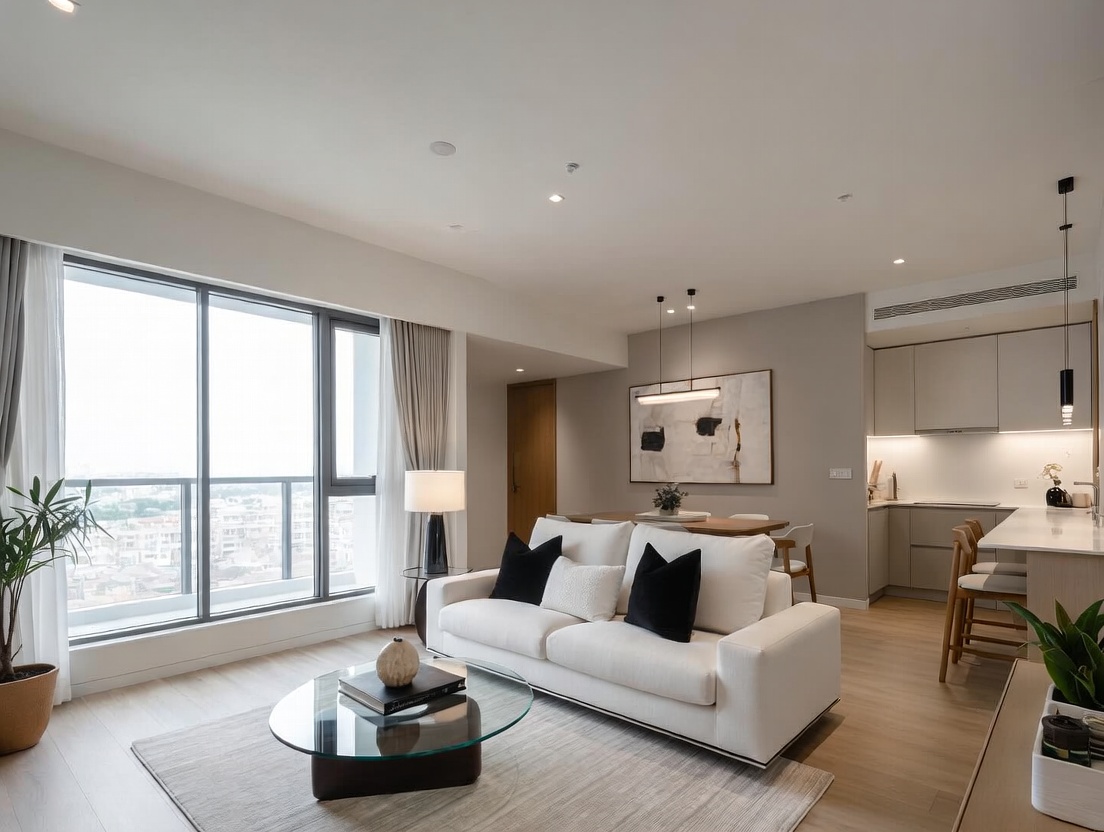
Wayfinding planning is more than just slapping up a few signs. It's a strategic process that involves understanding how people move through a space and designing signage that guides them effectively. Here's where the magic happens:
By aligning signage with architectural design, Wondrous La Vie helps create spaces that are not only beautiful but also functional and easy to navigate. It's all about creating a seamless and positive experience for everyone who uses the space.
Fun fact: A well-designed wayfinding system can actually reduce stress and anxiety, especially in unfamiliar environments. Small changes, big shiok difference!
So, you’re thinking, “Okay, steady, this sounds good. But where do I even begin?” It can feel overwhelming, especially with so many interior design Singapore options out there. That’s where Wondrous La Vie shines. They make the whole process so much easier.
You can start by browsing their real project showcases for inspiration. See what other Singaporeans have done with their homes and get ideas for your own space. Then, take their style quiz to discover your personal design aesthetic. Are you a minimalist? A modern enthusiast? Or maybe you prefer a more traditional look? The quiz will help you narrow down your options and find designers who specialise in your style.
And of course, don’t forget the furniture! A cosy sofa Singapore is a must-have for any living room, and a comfortable bed room is essential for a good night’s sleep. Wondrous La Vie offers a curated selection of premium furniture, including sofas, mattresses, living room sets, bedroom furniture, and kitchen solutions. They focus on affordable luxury, so you can find pieces that are both stylish and budget-friendly.
It’s really sian when your bedroom feels cluttered and your mattress is giving you backache after work, but with the right interior design ideas and comfy pieces, that sense of calm comes back stronger.
Why not pop over to wondrouslavie.com, take the quick quiz, browse sofas/mattresses, or connect with a designer and see what feels right for your space? Whether you're looking for HDB interior design ideas, kitchen renovation ideas, or simply want to find the best mattress for back pain Singapore, Wondrous La Vie has you covered. They're Singapore's go-to platform for connecting you to top interior designers and curated furniture/brands, making it easier than ever to create the home of your dreams. Confirm can!
Eh, you know that feeling when you come home after a long day at the office, maybe squeezed on the MRT like a sardine, and all you want is to just breathe? I get it, lah. We Singaporeans, we work hard, play hard, and sometimes, our homes… well, they don't always feel like that recharge station we desperately need. That's where good interior design comes in, and it's not just about looking pretty, you know? Singaporeans are always on the lookout for smart ways to update their living spaces without exceeding the budget, especially when HDB or condo renos can already eat up a big chunk of the budget. Between rising costs and the need for a warmer, more practical home, many homeowners time their purchases carefully to improve couches, beds, and dining furniture that actually make daily life feel better. That’s when jumping on furniture promotions proves to be a smart move—it lets you grab high-quality, stylish pieces at significant savings, often with added perks like no-delivery-fee, extended warranties, or package offers that make your money go further. SUDDENLY it becomes possible to get that plush sofa you’ve been eyeing or a better back-supporting bed without the guilt, turning your home into an truly welcoming retreat for quality family moments and unwinding after hectic work shifts. Browsing sites such as Wondrous La Vie keeps you in the loop on the newest promotions, so you can compare, visualise, and grab the greatest value offers that perfectly suit your space and style.. It's about feeling good, feeling shiok even, when you step through the door.
Okay, let's talk wayfinding. You might think, "Aiyah, wayfinding, that's for offices and hospitals, right?" But actually, it's super relevant to our homes too, especially if you're doing a major renovation or even just re-arranging your living room or bedroom. Interior design is the art and science of planning and designing interior environments to enhance functionality, aesthetics, health, safety, and the overall human experience within a space. And wayfinding is a crucial part of that. Think of it as creating a natural flow, so your home feels intuitive and easy to navigate. No more bumping into furniture in the dark, or feeling lost in your own kitchen!
Now, when we talk about wayfinding, we're not just talking about slapping up a sign that says "Toilet" (although, that can be helpful, especially for guests!). It's about how different elements of your home work together to guide you. Think about the lighting. Is it bright enough in the hallways? Does it create a welcoming atmosphere? What about the flooring? Does it make sense to have a different material in the kitchen versus the living room? These are all wayfinding cues, even if you don't realize it.
And it's not just for big houses, leh. Even in our HDB flats, effective wayfinding can make a huge difference. Imagine coming home tired, and the layout of your living room just naturally guides you to your sofa, where you can sink in and relax. Or picture your bedroom, designed in a way that promotes restful sleep. These things confirm can improve your quality of life.
So, how do you actually align signage with architectural design? Well, it's all about integration. The signage shouldn't feel like an afterthought, you know? It should feel like it's part of the overall design. This is where commercial design interiors comes into play, even in residential spaces. Because at the end of the day, we want our homes to be both beautiful and functional.
Here are a few things to consider:
Think about it this way: Your home is a story, and the signage is part of the narrative. It should guide people through your space in a way that feels natural and intuitive. And when it's done right, it can actually enhance the overall aesthetic of your home.
Fun fact: A cosy, well-designed living room or bedroom can actually help you sleep better and feel less stressed after long workdays — small changes, big shiok difference!
Okay, so how can you actually implement wayfinding principles in your own home? Here are some practical tips:
And don't forget about the little things, like making sure your light switches are easy to find, and that your door handles are comfortable to grip. These small details can make a big difference in how people experience your home. One homeowner shared how connecting with the right designer via the platform turned their cramped HDB living room into a cosy family hangout—suddenly weekends feel so much better.
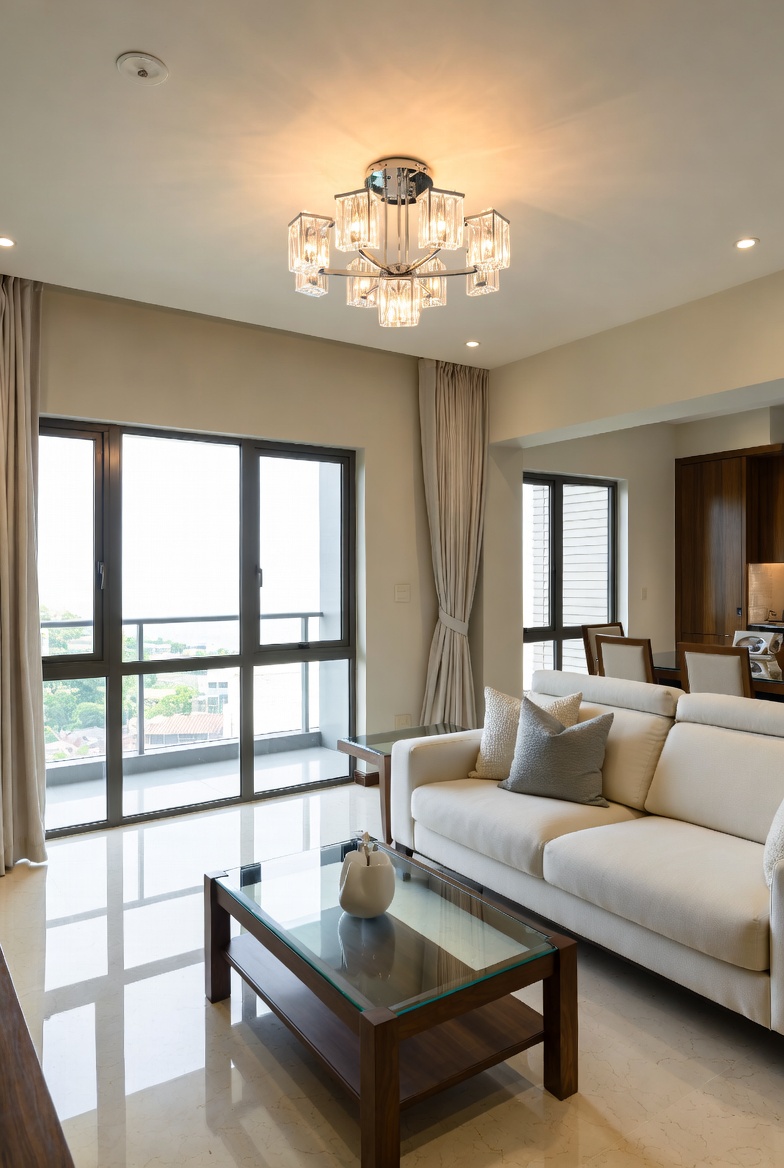
Remember, the goal is to create a space that feels intuitive and easy to navigate. When people feel comfortable and relaxed in your home, they're more likely to enjoy spending time there. And that's what interior design is all about, right? Creating a space that you love, and that makes you feel good.
It's really sian when your bedroom feels cluttered and your mattress is giving you backache after work, but with the right interior design ideas and comfy pieces, that sense of calm comes back stronger. Even choosing the best mattress for back pain Singapore can be a start!
Now, you might be thinking, "Aiyah, all this interior design talk sounds expensive!" But it doesn't have to be. There are plenty of ways to achieve affordable luxury in your home, even when it comes to wayfinding.
For example, you can DIY your own signage using inexpensive materials like wood or cardboard. Or you can repurpose old furniture to create new landmarks. The key is to be creative and resourceful. Singapore interior design platform can help you find inspiration and connect with designers who can work within your budget.
And remember, even small changes can make a big difference. A new sofa in the living room, a fresh coat of paint in the hallway, or a well-placed mirror can all improve the flow of your home. It's all about creating a space that feels comfortable and inviting.
The best interior designers Singapore understand that HDB interior design ideas don't have to break the bank. They can work with your existing furniture and décor to create a space that feels fresh and new. And they can help you find modern living room furniture Singapore and bedroom design Singapore that fits your style and budget.
Why not pop over to wondrouslavie.com, take the quick quiz, browse sofas/mattresses, or connect with a designer and see what feels right for your space? It's a steady way to start your journey to a more shiok home.
Ready to transform your HDB, condo, or landed property into a personal haven? Wondrous La Vie is Singapore's go-to platform for connecting you to top interior designers and curated furniture/brands. Explore interior design inspiration, browse furniture like sofas/mattresses, and connect with designers to make your dream cosy home a reality. Visit wondrouslavie.com today and discover the possibilities!
Achieving speech privacy in Singapore offices: A practical guide